Against the Odds
She Worked as a Maid — Then Built a $20 Million Cleaning Company
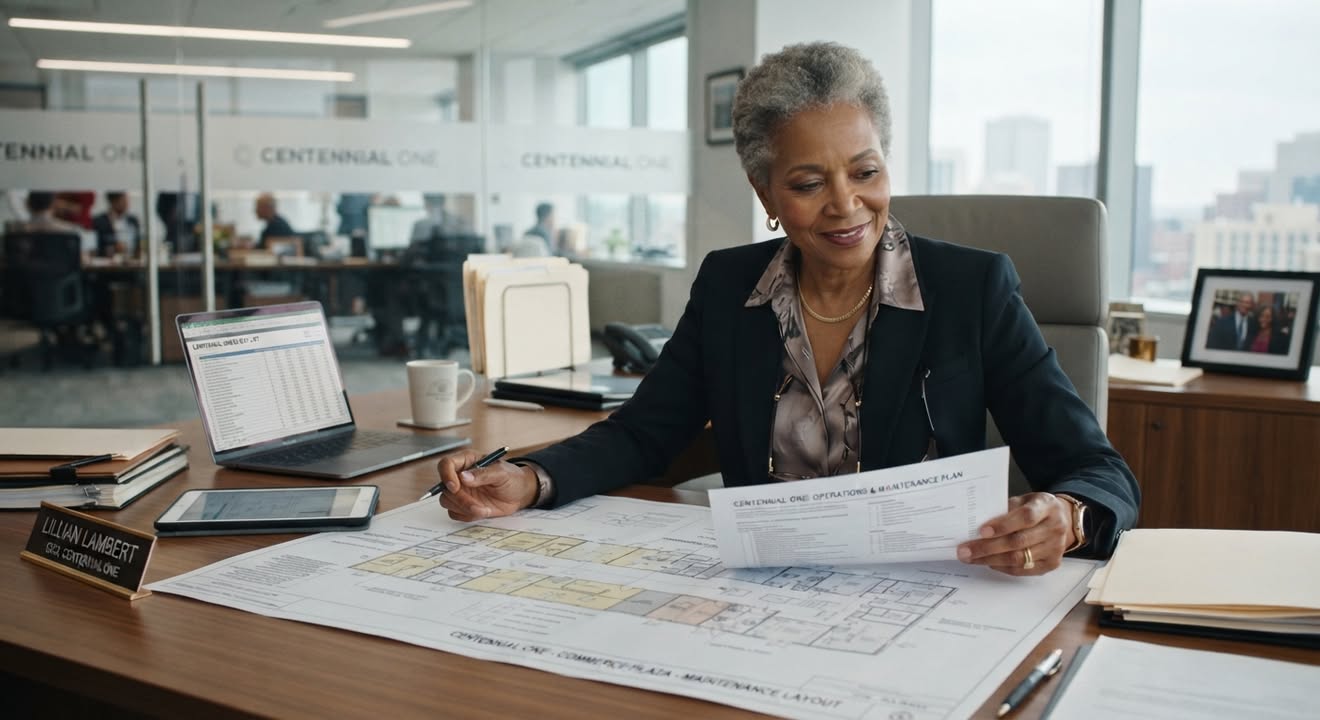
In 1976, Lillian Lincoln Lambert walked into her boss’s office expecting to discuss the small cleaning company she had started on the side. Instead, she walked out knowing she was about to lose her job.
Lambert had been honest with her employer about her plans. She didn’t want him hearing from someone else that she was starting a business in the same industry. At first, he agreed she could continue working while developing her own company. A week later, he changed his mind and told her Friday would be her last day.
Lambert asked why she shouldn’t just leave the next day. She had a husband, two young children, and a household that depended on two incomes. Her little business was nowhere near ready to support them, but she decided to give herself six months to get it running.
What happened next would eventually turn that small operation into a company with more than 1,200 employees and annual revenue of $20 million.
From Cleaning Houses to Harvard
Lambert grew up on a farm in rural Virginia, where her family raised much of its own food. They didn’t have electricity until she was eight years old. Her mother was a teacher who valued education, but the family didn’t have much money to spare.
At 18, Lambert left Virginia for New York City, hoping to find better opportunities. Without a college education, the work available to her was limited. She found employment as a maid, cleaning other people’s homes to support herself.
She eventually moved to Washington, D.C., where she worked in office jobs and began pursuing an education. With help from scholarships, loans, and part-time work, she enrolled at Howard University.
One of her professors, H. Naylor Fitzhugh, recognized her ability and encouraged her to apply to Harvard Business School. Lambert thought the idea was unrealistic. Harvard seemed like somewhere people from completely different backgrounds went to school.
But Fitzhugh wouldn’t let the idea go, and Lambert eventually applied. She was accepted.
When she arrived at Harvard in 1967, she discovered just how few students looked like her. She was the only Black woman in her class, and there were very few women or Black students at the school. The experience was so isolating that she briefly considered leaving.
Instead, Lambert joined four other Black students in forming the African-American Student Union. They approached the dean about increasing Black enrollment and offered to help recruit qualified students from their former colleges.
Harvard agreed to support their efforts, and the number of Black students increased significantly over the following two years. In 1969, Lambert became the first African American woman to earn an MBA from Harvard Business School.
Six Months to Build a Business
A Harvard degree didn’t immediately open the doors Lambert had expected. She worked in consulting, banking, stockbroking, and teaching before eventually joining Unified Services, a building-maintenance company.
There, she gained valuable experience managing employees, handling finances, and working directly with customers. She essentially helped run the company, learning the business from the inside.
A friend eventually suggested that she start a cleaning company of her own. Lambert liked her job and hadn’t been seriously considering entrepreneurship, but the idea began to grow on her.
By the time her employer dismissed her, she had already started making plans. Now she had to turn those plans into something that could pay the bills.
She launched Centennial One from her garage in Landover, Maryland. She put in $4,000 of her own savings and borrowed another $12,000. A supplier agreed to give her 90 days to pay for equipment and cleaning supplies, providing some breathing room while she searched for customers.
Lambert started with a secretary and about 20 part-time employees. She pursued cleaning contracts wherever she could find them, particularly through a federal program designed to help minority-owned businesses compete for government work.
The deadline she had given herself was getting uncomfortably close, but around the fifth month, she landed her first contract. Centennial One was officially in business.
Losing Two-Thirds of Her Contracts
Over the following years, Lambert built Centennial One into a successful commercial cleaning operation. Government contracts helped the company grow, while private businesses gradually became an increasingly important part of its customer base.
Then, in 1985, another serious problem arrived. Centennial One was leaving the Small Business Administration program that had helped it secure government work. Lambert had requested an extension, but the government turned her down.
In the following months, the company stood to lose roughly $5 million of its $7 million in annual revenue. Lambert was also going through a divorce, leaving her responsible for supporting her children and elderly mother.
She cut expenses, worked to replace the lost government contracts, and concentrated on winning more commercial customers. It took more than three years for the company to recover its profitability.
Centennial One eventually expanded into services beyond basic cleaning, including carpet care, building maintenance, and landscaping. Its clients included major organizations such as ABC News, Hewlett-Packard, and Dulles Airport.
In 1995, Lambert became the first woman to serve as president of an international association of building-service contractors. The business that had nearly collapsed after losing its government contracts was growing again.
From 20 Employees to 1,200
By 2001, Centennial One had grown into a large building-services company operating across several states. Lambert had taken a business she started with 20 part-time employees and turned it into an operation employing around 1,200 people. Annual revenue had reached approximately $20 million.
That year, after 25 years running the business, Lambert sold Centennial One. She later moved into public speaking, writing, and helping other entrepreneurs build their companies.
Harvard Business School honored her with its Alumni Achievement Award in 2003, recognizing both her success in business and her role in helping open the school to more Black students. In 2010, she published her memoir, The Road to Someplace Better: From the Segregated South to Harvard Business School and Beyond.
Lambert never forgot how her career began. She had once been a young woman cleaning houses in New York because those were the jobs she could find. Years later, she was running a multimillion-dollar cleaning company of her own.
She had a favorite way of explaining the difference.
“Owning the mop is better than pushing the mop.”