
Remarkable Stories
She Found Charities Paying Retail and Built a Better Way to Give
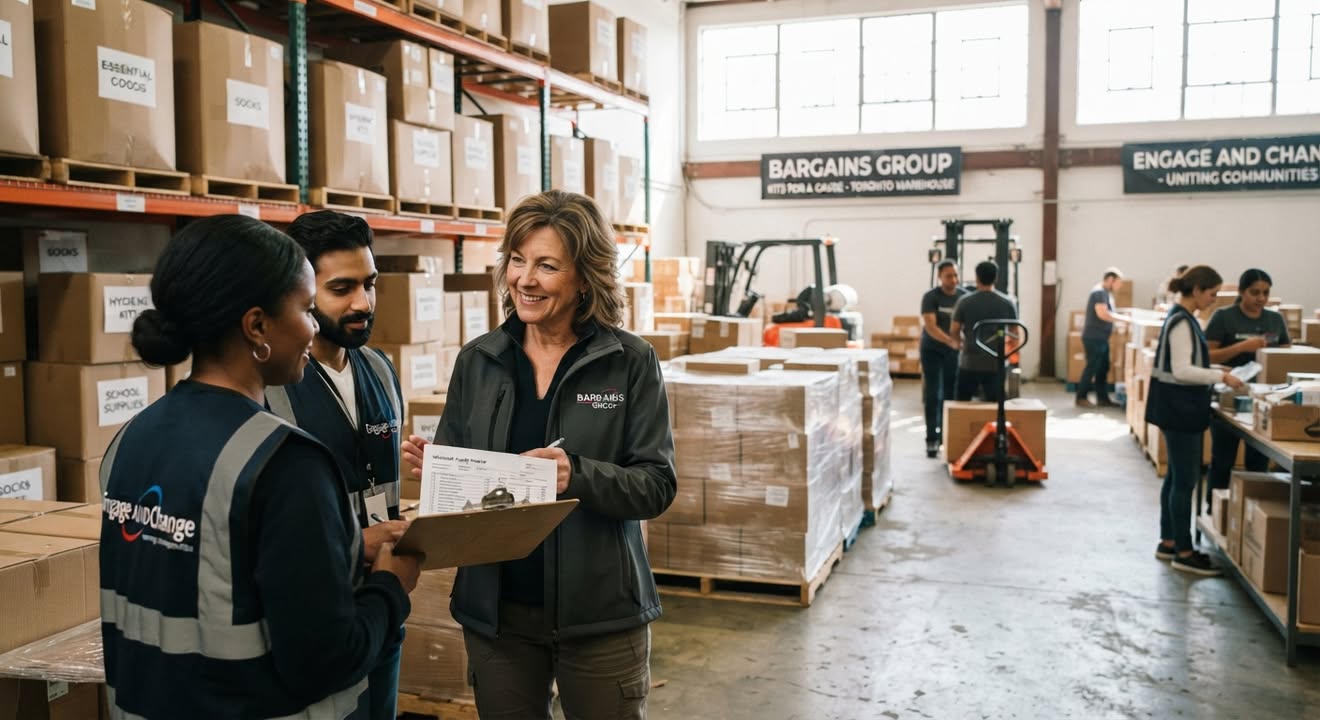
When Canadian entrepreneur Jody Steinhauer started volunteering with charitable organizations, she noticed something that bothered her. Shelters and community groups were spending precious donation money buying everyday necessities at retail prices.
They needed socks, underwear, soap, blankets, and other basic supplies, but they were often paying far more than businesses would for the same products. Jody knew there was a better way.
She had spent years running a wholesale business, buying goods in large quantities and helping customers stretch their budgets. She understood how much money could be saved simply by purchasing from the right suppliers.
And she couldn’t understand why charities weren’t getting those same advantages. Instead of starting another traditional fundraising campaign, she decided to use what she already knew about business to help charitable organizations get more for their money.
Turning Business Experience Into Something Bigger
Jody founded the Bargains Group in Toronto in 1988, initially running the business from an apartment. Over the years, it grew into a multimillion-dollar wholesale operation supplying clothing, promotional products, hygiene supplies, and thousands of other everyday items.
The company worked with businesses and organizations that needed to buy products in bulk. Its success depended on finding good suppliers, negotiating competitive prices, and making sure customers received what they needed without overspending.
While volunteering, Jody began noticing how differently charitable organizations purchased supplies. A company ordering thousands of pairs of socks could negotiate wholesale pricing. A shelter trying to buy socks for people experiencing homelessness might be paying regular store prices.
Both organizations needed the same product, but one could make its budget go considerably further. Jody realized she could use her company’s purchasing relationships to change that.
She began helping nonprofits obtain necessities at wholesale prices, allowing donated money to provide more clothing, hygiene products, school supplies, and winter essentials. But as she worked with more organizations, she discovered another problem. People wanted to donate things, but they didn’t always know what was actually needed.
Asking Charities What They Need
Sometimes businesses organized donation drives without speaking to the organizations they planned to help. Volunteers collected boxes of assorted goods, often with the best intentions.
But when the donations arrived, charity workers had to sort everything, find somewhere to store it, and figure out which items they could actually use. Meanwhile, supplies they urgently needed might still be missing.
Jody decided the process should work the other way around. Rather than collect whatever people felt like donating, she wanted charitable organizations to identify their needs first.
That approach became a central part of Engage and Change, a charity she founded to organize community projects and provide essential goods to people experiencing homelessness. One of its programs, Project Winter Survival, focuses on getting practical winter supplies to people who need them.
The organization purchases goods at wholesale prices and assembles kits containing items such as sleeping bags, backpacks, and other cold-weather essentials. According to Engage and Change, a contribution of approximately $25 can help provide a Winter Survival Kit.
The same donation might accomplish considerably less if every item were purchased individually at regular retail prices.
Thousands of Kits for Thousands of People
Jody eventually expanded the approach through Kits for a Cause, a social enterprise connected to the Bargains Group. The idea was straightforward: businesses, schools, community organizations, and other groups could organize volunteer events where people assembled packages of supplies for charities.
But before anyone started packing, Kits for a Cause helped connect the volunteers with nonprofit organizations and find out what those organizations actually needed. A shelter might request hygiene supplies.
A school might need backpacks and classroom materials. A hospital might need comfort items for patients, while another organization might require winter clothing.
Once the supplies were identified, Kits for a Cause could help source them at wholesale prices. Volunteers then assembled the packages, ensuring each kit contained the requested items.
When the finished kits arrived, the recipient organizations didn’t have to spend days sorting through random donations. The supplies were already organized for distribution.
The approach also gave companies a practical way to involve employees in charitable activities. Instead of simply writing a cheque, teams could spend an afternoon assembling hundreds of kits together, knowing the finished packages already had somewhere useful to go.
Over time, the program expanded beyond Canada, helping nonprofit organizations in the United States and the United Kingdom as well.
More Than 889,000 Kits Packed
What began as a practical way to make charitable donations go further eventually grew into a large operation. Kits for a Cause reports that, since 2018, its programs have helped volunteers assemble more than 889,000 kits.
The organization also reports working with more than 8,400 charity and nonprofit partners. More than 143,000 employees have participated in kit-packing activities, contributing over 45,000 volunteer hours. Together, these efforts have directed more than $14.5 million into products, supplies, and community support, according to the organization’s reported figures.
And the supplies aren’t anything particularly unusual. They’re the things people need every day: clean socks, soap, toothpaste, warm clothing, school supplies, and other essentials that can be expensive or difficult to obtain when money is tight.
The Bargains Group continues operating as a wholesale supplier, offering businesses and charitable organizations access to more than 10,000 promotional and everyday products. Jody’s charitable programs have grown alongside the business, using the company’s purchasing knowledge and supplier connections to support more organizations.
Making Every Dollar Go Further
More than three decades after starting the Bargains Group, Jody is still building programs around the problem she noticed while volunteering. Charities need supplies, companies want to help, and volunteers are often willing to contribute their time. Her approach brings those pieces together while cutting down on unnecessary spending.
The work isn’t particularly glamorous. It involves supplier lists, purchasing decisions, packing tables, and boxes of everyday products. But those details have allowed thousands of volunteers to provide useful supplies to organizations across several countries.
When a shelter asks for winter essentials, it can receive kits containing the items it requested. When a school needs classroom supplies, volunteers can prepare packages specifically for its students.
And when someone opens one of those kits, they don’t need to know anything about wholesale buying or supplier negotiations.
They just find the things they needed inside.