Remarkable Stories
Prison Was Supposed to End His Future
When Coss Marte went to prison, he was overweight, and a doctor had warned him that his health could cut his life short. Before his arrest, Marte had been running a multimillion-dollar drug operation on New York’s Lower East Side. Now he was behind bars, dealing with the consequences of his choices and a serious warning about his health.
He knew he needed to lose weight, but there was no gym waiting for him. He had no exercise machines, no weights, and almost no equipment. What he did have was a prison cell measuring roughly nine feet by six feet. So he started exercising in it.
Within six months, Marte had lost 70 pounds. And without realizing it, he had developed the foundation for a business that would eventually employ people who had also spent time behind bars.
A Gym Inside a Prison Cell
Marte began experimenting with exercises that required nothing but his own body weight. He did push-ups, squats, burpees, and other movements he could perform in a confined space.
He gradually developed a routine that combined those exercises into fast-paced workouts. There was no expensive equipment to buy, and he didn’t need much room to complete a session.
As his weight dropped and his fitness improved, other incarcerated men began noticing the change. Some asked him to show them what he was doing.
Marte started training them, adapting his workouts to different abilities and fitness levels. Soon, he had other men exercising alongside him using the same simple techniques.
According to his company, the men he trained eventually lost more than 1,000 pounds collectively. What had started as one man’s effort to improve his health was becoming something he could teach other people. And the best part was that the routine worked without a traditional gym.
But when Marte eventually returned home, he discovered that getting someone to hire him was much harder than getting someone to exercise.
Starting Over on the Lower East Side
Marte returned to the neighborhood where he had grown up and once sold drugs. He wanted to earn an honest living, but his criminal record made finding work difficult.
Employers were often reluctant to hire someone who had been incarcerated. Marte also lacked much of the conventional work experience companies expected from applicants.
He began thinking about the workouts he had developed in prison. People had already responded well to his training methods, and he knew he could teach them without needing to rent an expensive fitness facility. So he started holding exercise sessions in public parks.
At first, there were only a few participants. But people enjoyed the challenging workouts, and word began spreading. Some returned regularly, and others brought friends.
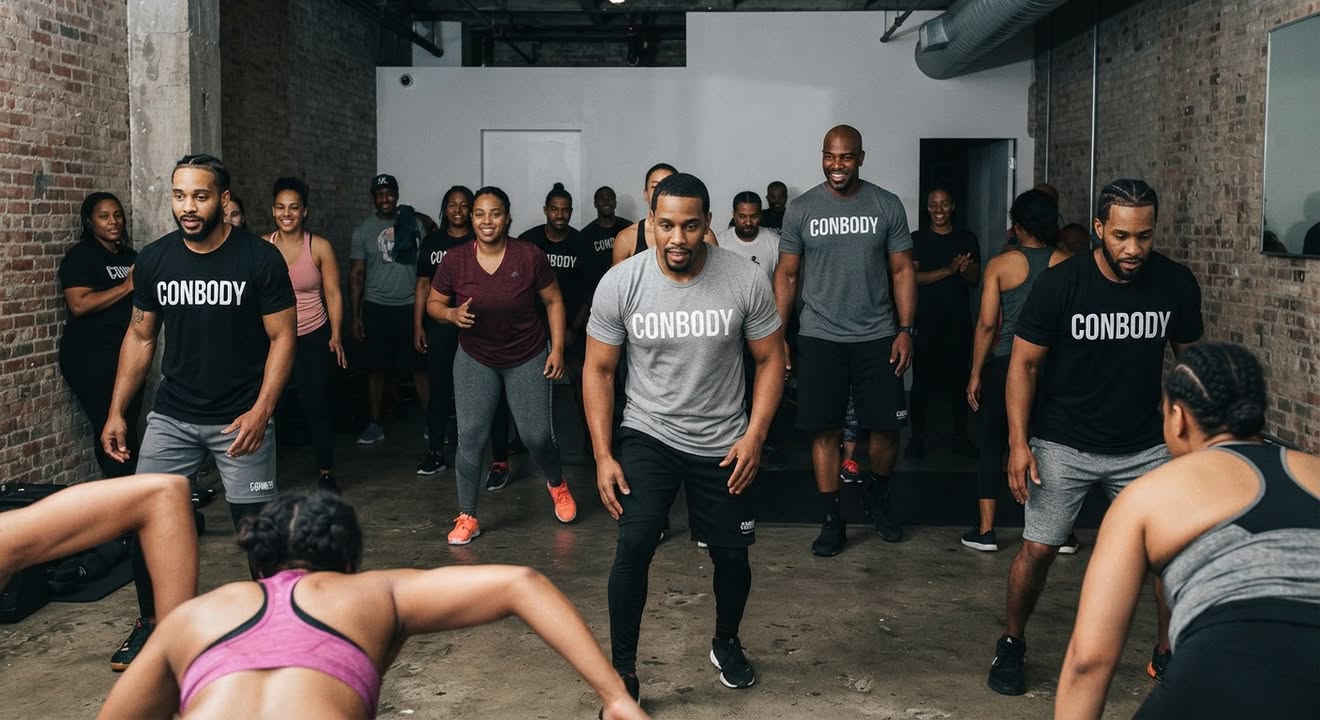
Marte started charging for sessions, turning the routine he’d developed in prison into a legitimate way to make money. In 2014, he launched CONBODY, a fitness business built around the equipment-free workouts he’d created while incarcerated.
Rather than hiding where the exercises came from, Marte made that history part of the company’s identity. Customers knew they were signing up for prison-style workouts, using many of the same movements he had practiced inside his cell.
The business gradually expanded beyond outdoor sessions. CONBODY eventually opened a permanent studio on Orchard Street, right in the Lower East Side neighborhood where Marte had once been involved in the drug trade. This time, people were coming to pay him for fitness classes.
A Gym That Hires Former Prisoners
As CONBODY grew, Marte decided to do something unusual with his hiring. Instead of focusing on applicants with conventional fitness-industry backgrounds, he began hiring people who had been incarcerated.
He knew firsthand how difficult it could be to find employment after leaving prison. Even people who genuinely wanted to rebuild their lives could struggle to get an interview once an employer learned about their criminal record.
Marte wanted his company to offer an opportunity he wished had been available when he got out. Formerly incarcerated employees could train customers, earn a paycheck, develop professional skills, and establish legitimate work histories.
Their backgrounds weren’t something the company tried to conceal. In fact, CONBODY made its instructors’ experiences part of what distinguished the business. Every instructor on its roster has served time.
The company says it has now worked with more than 100 formerly incarcerated professionals. It also reports that none of the people it has employed have returned to prison.
Meanwhile, the workouts themselves remained popular. Customers could attend classes at the studio, follow programs online, or use Marte’s published fitness routines at home. The exercises still required little more than enough floor space to move.
Taking the Workouts Back Inside
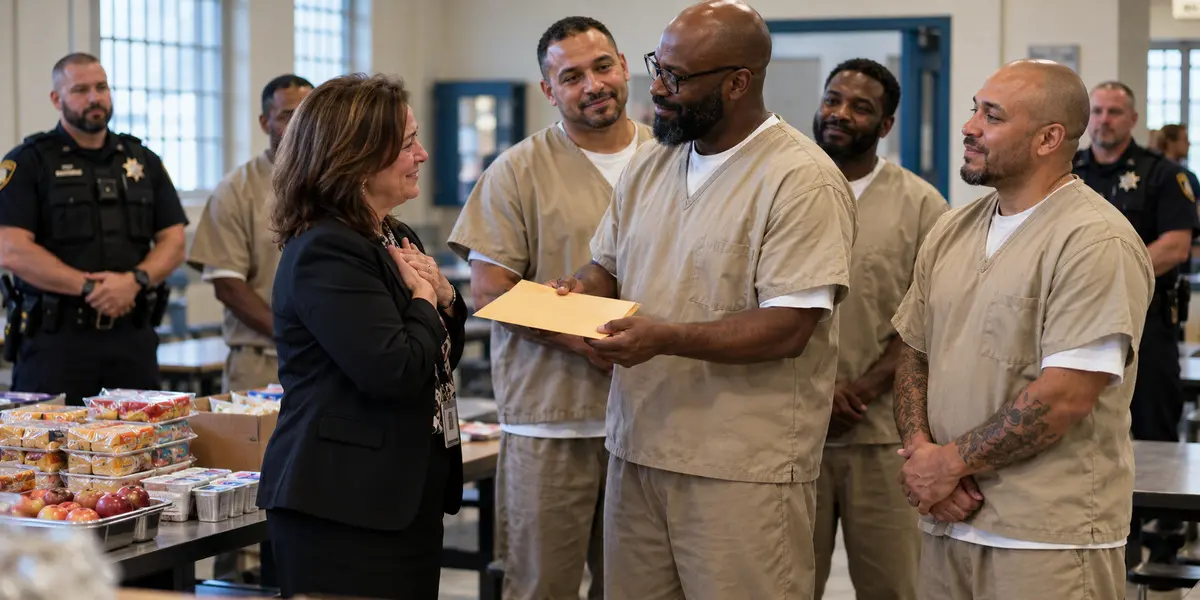
Marte eventually expanded his efforts beyond employing people who had already been released. Through the CONBODY Charitable Foundation, he began supporting fitness training and career programs for people who were still incarcerated. Instructors returned to correctional facilities, including Rikers Island and juvenile detention centers, to lead workouts and mentor participants.
The idea was to introduce people to a potential career before they returned home, giving them practical skills and connections they could use after release. Fitness was the starting point, but employment was the larger goal.
Someone learning to lead a workout could eventually become an instructor. With experience, they might be able to build a career in an industry where their criminal record didn’t automatically shut the door.
Marte understood the importance of that opportunity because he had faced the same barriers himself. His company continued developing programs that could help incarcerated and formerly incarcerated people build skills, find employment, and become financially independent.
And the business kept growing around the simple fitness method he’d developed when he had almost nothing available to work with.
Back Where It Started
Today, CONBODY operates in the same Lower East Side neighborhood where Marte once sold drugs. The company offers fitness classes, online workouts, and training programs while continuing to employ people who have spent time in prison. Marte also continues working with organizations and correctional facilities to help people prepare for employment after release.
The business he built has become a place where a criminal record doesn’t automatically prevent someone from getting hired. In fact, there’s one unusual detail about the instructors leading CONBODY’s workouts: every single one of them has been incarcerated.
And now they’re the ones running the classes.