
Remarkable Stories
He Dropped Out to Save His Family’s Home and Became a CEO
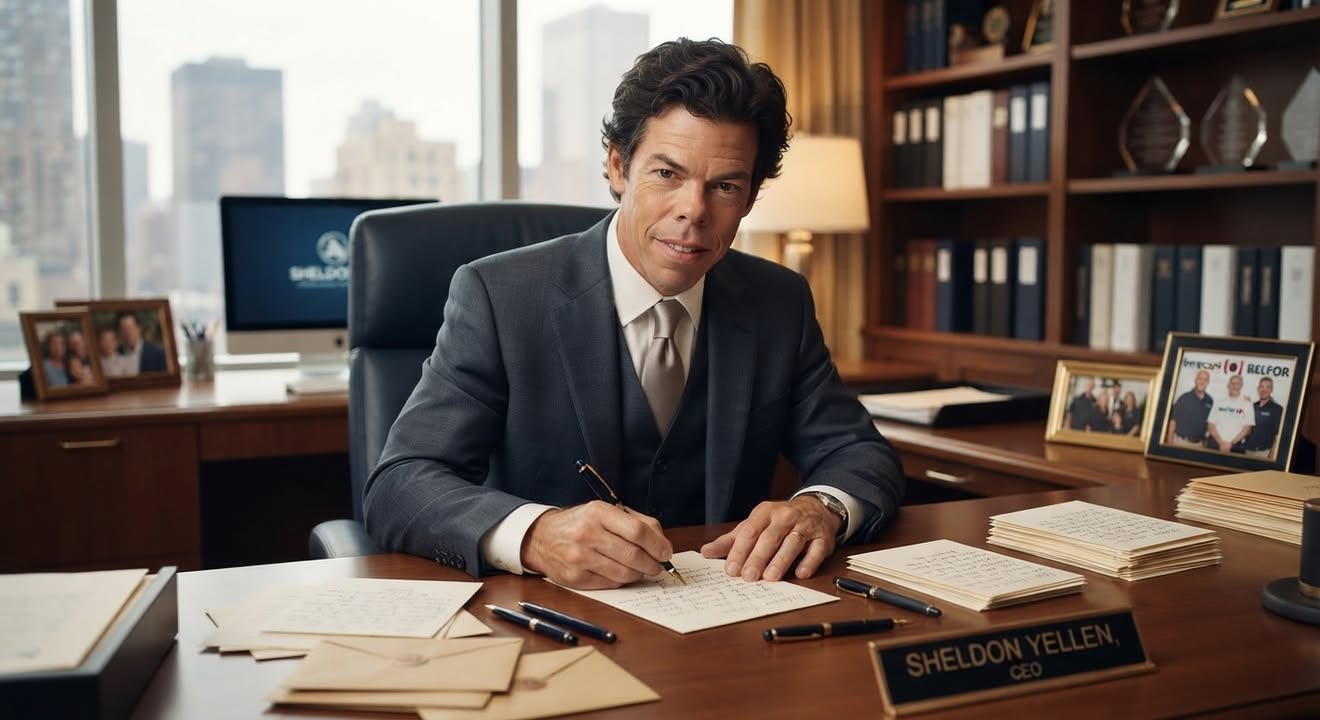
Sheldon Yellen was in his final year of high school when his family nearly lost their home in Detroit because of unpaid property taxes. His mother was raising four boys on welfare, and money had been tight for as long as he could remember.
Yellen had been working since childhood, but his part-time earnings weren’t enough. He decided to leave school and work full-time to help his mother keep a roof over their heads.
Years later, that high-school dropout would become the CEO of a multibillion-dollar restoration company. He would even help buy the business where he’d once worked as a salesman.
Working Since He Was Eleven
Yellen started washing dishes at eleven years old. By fourteen, he was working seven days a week, taking whatever jobs he could find.
One of those jobs was at an exclusive men’s health club in suburban Detroit. He collected towels, shined shoes, ran errands and helped wherever he was needed.
The club’s wealthy members lived very different lives from the one Yellen knew at home. Some were successful business owners and executives, and he became fascinated by the way they conducted themselves. He listened to their conversations, watched how they interacted with people and paid attention to how they handled business.
Years later, Yellen credited those experiences with teaching him lessons he never would have learned in a classroom. He didn’t have a university degree or wealthy relatives opening doors for him, but he was learning from people who had already achieved the kind of success he wanted.
Finding His Way Into the Restoration Business
During the 1980s, Yellen entered the property-restoration industry through a company called Quality Awning & Construction, which later became known as Inrecon. The company specialized in repairing buildings damaged by fires, floods and other disasters. Yellen joined the sales department, where his ability to connect with people quickly became an advantage.
After Hurricane Hugo devastated parts of the southeastern United States in 1989, restoration companies faced enormous demand. Yellen helped bring in new business as property owners searched for companies capable of repairing the damage.
The additional work helped accelerate Inrecon’s growth, and Yellen gradually took on greater responsibilities. What began as a sales job was turning into a successful career in an industry he had known little about when he started.
From Employee to Owner
Inrecon expanded through the 1990s, eventually becoming one of North America’s major property-restoration companies. The business was acquired by Masco through transactions in the late 1990s. In 2001, Masco sold it to a German group that owned BELFOR, combining the North American operation with an international restoration network.
Yellen stayed through the ownership changes and eventually became chief executive of BELFOR’s North American business.
He also saw how unsettling those transitions could be for employees. People worried about losing their jobs, being transferred or having their departments reorganized. Yellen spent considerable time reassuring staff and helping them feel secure.
In 2006, BELFOR’s German parent company, Haniel, agreed to sell the international restoration business through a management buyout. Yellen and European executive Bernd Elsner played central roles in arranging the purchase. Members of the existing leadership team became shareholders, while Haniel initially retained a 25 percent ownership stake.
After years of working his way through the company, Yellen was now part of the group that owned it.
Building a Global Company
BELFOR continued expanding into an international restoration operation, responding to everything from household fires and flooded basements to major hurricanes and large-scale property disasters. According to the company’s reported figures, it grew into a business with more than 14,000 employees, operations in 34 countries and revenue exceeding $3 billion.
But Yellen became known for something considerably more personal than the company’s financial success. He started handwriting birthday cards to his employees.
Not just senior managers or people working in his office. He wanted staff throughout the organization to receive a personal message acknowledging their birthday.
As BELFOR grew, the number of cards became enormous. In 2026, the company reported that Yellen was writing more than 13,000 birthday cards every year.
He believed employees should feel appreciated as individuals, rather than simply being another name on the payroll. It was a habit that reflected something he’d learned while working at the health club as a teenager: how people treat one another can leave a lasting impression.
Finally Got His Diploma
Despite his success, Yellen still had one unfinished piece of business from his teenage years. He had left high school because his family needed the income, not because he’d stopped caring about his education. More than three decades later, at age 53, he finally received the high-school diploma he’d missed when he dropped out.
By the time he graduated, he had already worked his way from washing dishes and shining shoes to leading one of the world’s largest property-restoration companies. He’d built his career without that diploma.
But he still went back to get it.