Remarkable Stories
He Won the Tour de France — Then Used His Bicycle to Help Save Jews
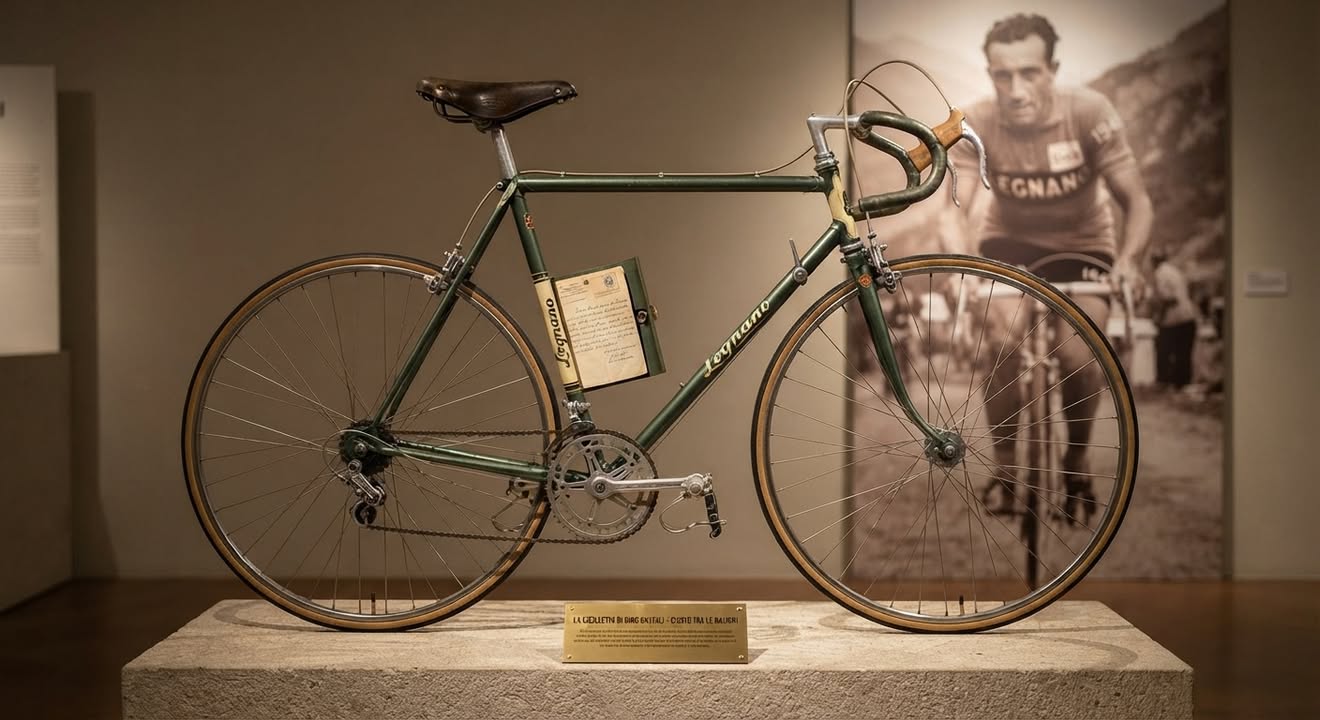
By 1943, Gino Bartali was one of Italy’s most famous cyclists. He had won the Tour de France in 1938 and twice claimed victory in the Giro d’Italia, earning a reputation for his extraordinary endurance on mountain roads.
When German forces occupied much of Italy during World War II, Bartali found a very different use for his bicycle. He began carrying secret documents for an underground network helping Jewish families escape persecution.
Hidden inside his bicycle frame were papers that could mean the difference between freedom and arrest. And because Bartali was a national sporting hero, his long rides attracted far less suspicion than they might have for an ordinary traveller.
A Champion With a Dangerous Assignment
After German forces occupied northern and central Italy in 1943, Cardinal Elia Dalla Costa of Florence became involved in efforts to protect Jewish families. The network helped people find hiding places and obtain false identity documents, allowing them to move more safely through territory controlled by German and Fascist authorities.
Bartali was asked to become a courier. It was a role that suited him unusually well. As a professional cyclist, he was accustomed to travelling enormous distances during training, sometimes spending much of the day riding between towns.
A champion passing through the countryside on his racing bicycle was a familiar sight. Even soldiers stationed at checkpoints often recognized him. He could travel between cities carrying material for the rescue network while appearing to be doing nothing more than preparing for his next competition.
The Secret Inside His Bicycle
Bartali carried photographs, forged identity papers and other documents between people working to protect Jewish families. He concealed some of the material inside the hollow tubes of his bicycle frame, where it was difficult to discover without taking the bicycle apart.
His journeys took him through places including Florence, Assisi, Lucca, Genoa and Rome. Some rides covered extraordinary distances, but that was nothing unusual for a cyclist with his reputation.
When guards stopped him, Bartali could talk about racing and his training schedule. He sometimes discouraged anyone from touching the bicycle by explaining that its components had been carefully adjusted for competition.
The explanation worked particularly well because the men questioning him often knew exactly who he was. Behind those apparently ordinary conversations was a dangerous secret. If soldiers had discovered the forged papers, they could have exposed the people preparing them and the families waiting to receive them.
Bartali continued riding.
Helping Families Find Safety
The documents were part of a larger operation involving people working in different locations. Photographs and personal information had to reach those preparing false identities, and the finished papers then had to be delivered to families in hiding. Bartali’s bicycle helped connect those separate parts of the network.
He also assisted people more directly. One family that later spoke about his wartime activities was the Goldenberg family, whom Bartali had known before the occupation.
Shlomo Goldenberg-Paz later told Yad Vashem, Israel’s Holocaust remembrance authority, that his family had sheltered in a Florence apartment belonging to Bartali. Family testimony described Bartali supporting them during that period and helping with documents that made it safer for relatives to move.
Other witnesses remembered his courier work. Giulia Baquis recalled a cyclist arriving with a package at the place where her family was hiding. She learned after the liberation that the man delivering material for the resistance network had been Bartali.
Those memories would eventually help reveal just how much the celebrated cyclist had been doing during the war.
He Returned to Racing After the War
Florence was liberated in 1944, and Bartali eventually resumed the career that the war had interrupted. In 1946, he won his third Giro d’Italia. Two years later, he claimed another remarkable victory by winning the 1948 Tour de France.
Ten years had passed since his first Tour victory, an extraordinary gap between wins in one of cycling’s hardest competitions. His racing achievements were celebrated throughout Italy. The secret journeys he’d made during the occupation received much less attention.
Bartali rarely spoke publicly about his involvement in the rescue network. He didn’t seek awards or publicity for his wartime activities, and much of the story emerged through the people he’d helped.
For decades, most people knew him primarily as a great cycling champion.
Recognition Came Years Later
Bartali died in 2000, leaving behind a sporting career that included three Giro d’Italia titles and two Tour de France victories. In 2013, Yad Vashem recognized him as Righteous Among the Nations, an honor given to non-Jews who risked their lives to rescue Jewish people during the Holocaust.
The United States Holocaust Memorial Museum also documented his involvement in a network whose efforts helped save hundreds of people. By then, witness accounts had brought a different part of Bartali’s life into the public eye.
The racing bicycle that had carried him to sporting greatness had also transported documents, connected rescuers and helped families find safety during one of history’s darkest periods. Bartali had won some of cycling’s greatest races on that bicycle.
During the war, he used it to help other people survive.