Remarkable Stories
He Gave a Kidney to a Stranger — and Started a 30-Transplant Chain
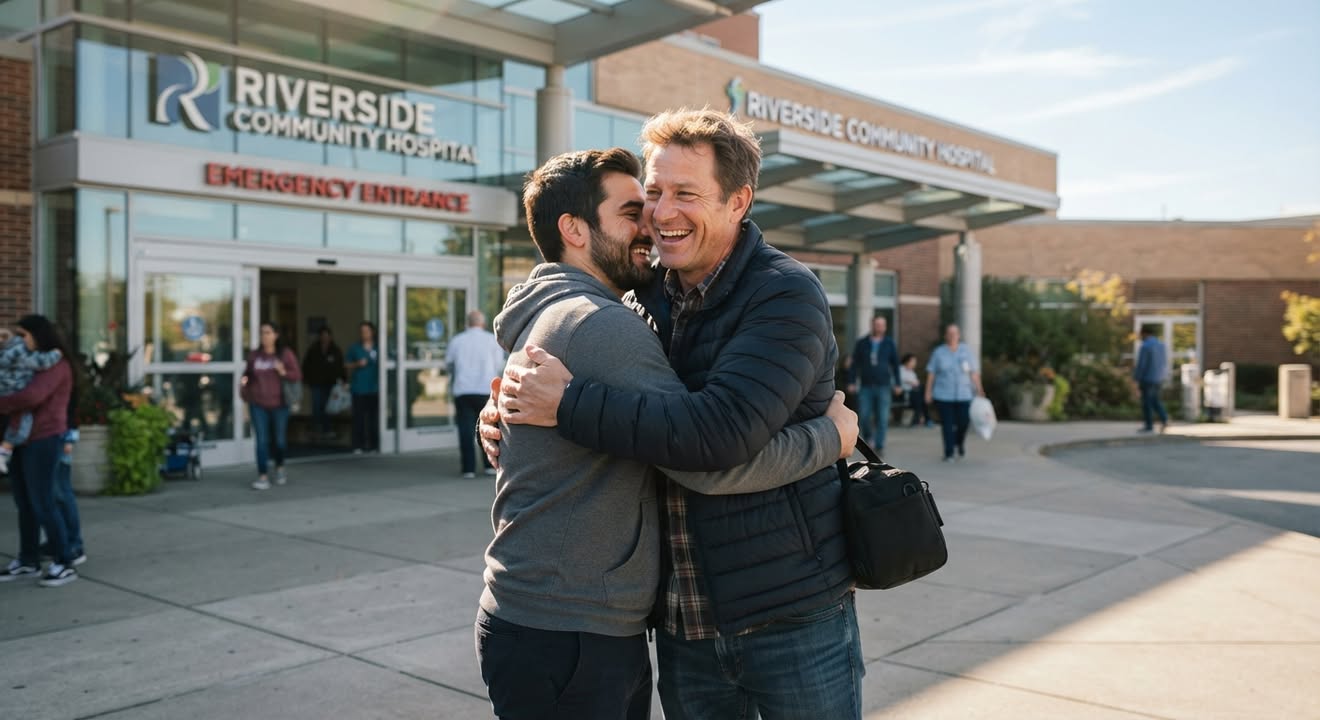
Rick Ruzzamenti had never even donated blood. Then, in February 2011, a receptionist at his yoga studio mentioned she’d given a kidney to a friend. The 44-year-old electrician from Riverside, California, couldn’t stop thinking about it.
Two days later, he called a hospital and asked whether he could donate one of his kidneys to somebody he didn’t know. He had no sick relative to help and no idea who might receive it.
That single phone call would help launch 30 kidney transplants involving 60 people across the United States.
Why a Stranger Could Start the Chain
Many patients have someone willing to give them a kidney, but the two are medically incompatible. Their blood types or other factors may prevent a transplant, even when the donor is ready to help.
Kidney exchanges offer another route. A donor who can’t give to a loved one can donate to a compatible stranger, while someone in another family provides the kidney their loved one needs.
Ruzzamenti’s offer was unusual because he wasn’t waiting for anyone to return the favor. His kidney could go to a patient whose willing donor was incompatible, freeing that donor to help the next patient.
The National Kidney Registry called the resulting effort Chain 124. Ruzzamenti became its first donor, opening the way for a series of transplants that no single hospital could have arranged alone.
Seventeen Hospitals Had to Work Together
The difficult part was keeping every link moving. Transplant teams needed to test donors, identify suitable matches and coordinate operating rooms. Kidneys sometimes had to travel between medical centers, with timing carefully planned.
Ruzzamenti’s own kidney traveled overnight from Los Angeles to New Jersey for the first transplant. Computer matching helped the registry find combinations that hospitals working alone might have missed. Its founder, Garet Hil, had become interested in solving the problem after his own daughter needed a transplant and his family struggled to find a suitable match.
The exchange stretched across 17 hospitals in 11 states and took about four months. Patients and donors were connected through a carefully organized network, even when they lived hundreds of miles apart.
The people involved also had to trust one another. Most of the donors had originally offered a kidney to somebody they loved. Their willingness to help another family kept the sequence going.
By the end, 30 donors had given kidneys and 30 patients had received them.
The Thirtieth Patient
Donald Terry of Illinois had developed kidney disease linked to diabetes. Dialysis was keeping him alive, but the treatments had taken over much of his schedule, and a suitable donor might have been years away.
When he learned that a kidney had become available, Terry broke down crying, according to ABC News. On December 20, 2011, he received the final transplant in the chain at Loyola University Medical Center.
Terry’s kidney hadn’t come directly from Ruzzamenti. Another donor farther along the exchange provided it, after dozens of earlier operations had made the final match possible.
For Terry, those months of work by people he’d never met meant a chance at life beyond dialysis.
A Record That Led to More
Chain 124 was described as the longest completed kidney-donation chain at the time. Larger exchanges followed as hospitals improved their matching systems and learned to coordinate transplants across wider networks.
The National Kidney Registry has since helped arrange thousands of kidney transplants, building on the approach that connected Ruzzamenti, Terry and the other families in 2011. Ruzzamenti later joked that if he had another spare kidney, he’d donate that one too.
He only had one to give.
It was enough to get 29 other donors moving.