Remarkable Stories
He Arrived With No English. Then He Built a Company to Hire Refugees Like Him
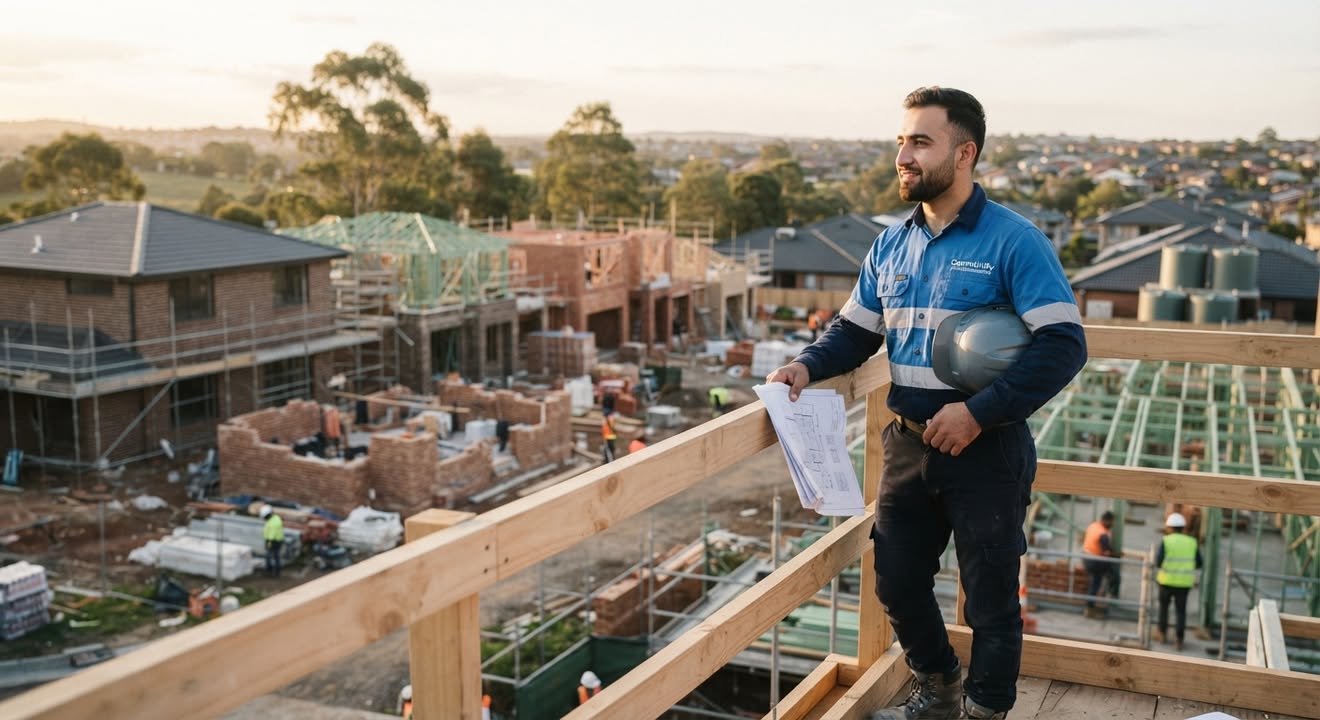
When Hedayat Osyan arrived in Australia in 2010, he had no family waiting for him, spoke very little English, and had no idea how he was going to build a life in his new country.
He had fled Afghanistan as a teenager, leaving behind his mother and two younger siblings. After a dangerous journey that eventually brought him to Australia by boat, he spent three months in immigration detention on Christmas Island.
He had escaped the violence in his homeland, but starting over was going to be difficult. Years later, Osyan would build a construction company specifically to help refugees facing the same problems he had experienced. And some of the people he hired would eventually go on to start companies of their own.
Starting Over at Seventeen
Osyan grew up in Afghanistan as a member of the Hazara community, an ethnic minority that has faced years of persecution. His father was a high school teacher who believed strongly in education. In 2006, Taliban fighters arrested him, and the family never saw him again.
Three years later, the Taliban attacked their village in Ghazni. Osyan’s mother knew her teenage son was in danger and urged him to leave Afghanistan. He was just 17 when he said goodbye to her and his two younger siblings.
After reaching Australia, Osyan received residency in 2010 and settled in Sydney. He began studying English at Marsden High School in West Ryde, eventually completing the final two years of secondary school.
He continued his education at the University of Canberra, studying politics and international relations. For someone who had been forced to leave school in Afghanistan, earning a university degree was an enormous achievement. But as he became more established in Australia, Osyan kept meeting other refugees who were struggling to find work.
Some had professional qualifications and years of experience in their home countries, but Australian employers didn’t recognize those qualifications. Others spoke limited English or had no local employment history. Getting an interview could be difficult, even when someone had the skills needed for the job.
He also heard stories about refugees being taken advantage of by employers who knew they had few alternatives. People began asking Osyan whether he could help them find somewhere safe to work.
Starting With Two Tilers
In 2017, Osyan decided to do something about the problem. He started a small tiling business in western Sydney called Nick Tiling, using his own savings and hiring two workers. His plan was to build a proper construction company that could offer refugees fair pay, practical training, and the chance to establish themselves in Australia.
Starting the business wasn’t easy. Osyan had to compete with established contractors while learning how to manage accounts, contracts, insurance, and the day-to-day responsibilities of running a construction company.
He found help through Settlement Services International’s Ignite program, which supports refugees who want to start businesses. The program connected him with mentors and professionals who helped with the legal, financial, and practical sides of getting the company running.
Within a few months, Osyan had secured three major projects and expanded to 15 refugee and asylum-seeker employees. The business eventually became CommUnity Construction, reflecting its growing focus on helping people build careers rather than simply providing short-term jobs.
Workers were given opportunities to learn construction skills, improve their workplace English, and gain experience on real projects. Some also worked toward formal qualifications through Australia’s technical education system.
The company still had to compete for customers, meet deadlines, and deliver quality work. But people who might otherwise have been rejected because of their backgrounds were getting the chance to prove what they could do.
A Construction Company With a Different Purpose
As the company grew, Osyan began seeing how much a steady job could change someone’s circumstances. Employees could support their families, develop new skills, and become more comfortable speaking English. Some were eventually able to help relatives overseas or establish their own homes in Australia.
One of the workers featured in a 2023 SBS report was Mujtaba Folad, a qualified engineer from Afghanistan. He had worked in road construction before fleeing his country after the Taliban returned to power.
When Folad arrived in Australia, his experience didn’t immediately translate into employment. CommUnity Construction gave him an opportunity to work in the industry while building a new career. Folad told SBS he was happy to have the job and grateful for Osyan’s help.
By September 2022, the company had trained and employed 76 refugees over five years. Some had progressed from learning the basics of construction to becoming qualified tradespeople.
Osyan also spent time helping refugees outside the workplace. He supported young Afghan newcomers who were settling into Australian schools and helped organize football opportunities for refugee youth.
A grant allowed one group to receive uniforms and have somewhere to play together. For young people who had left their homes and arrived in an unfamiliar country, those activities offered a chance to make friends and become part of a community.
Recognition for Giving Others a Chance
In April 2024, Osyan received the Australia for UNHCR–SBS Les Murray Award for Refugee Recognition. The award honors former refugees who have made outstanding contributions to Australian society. It is named after Les Murray, the well-known SBS sports broadcaster who arrived in Australia as a refugee from Hungary.
By the time Osyan received the award, CommUnity Construction had trained 90 refugees from several countries. According to the award organizers, 60 of those people were working in the construction industry.
Osyan explained that his goal was to help refugees become independent and show employers what newcomers could contribute when someone gave them an opportunity. He had started with two workers, a small amount of money, and an idea that refugees deserved a fair chance to earn a living.
Seven years later, the company had helped dozens of people build careers in an industry that had once been difficult for them to enter.
But there was another achievement Osyan was particularly proud of.
By 2024, four refugees who had trained through his company had gone on to establish construction businesses of their own.